What Is My Antique Phonograph Worth? Value and Restoration Basics
We are asked about value constantly, and the honest answer is that WIMAPS does not appraise machines. What we can do is explain how collectors think about condition, originality, and repair — which is usually what the question is really about.
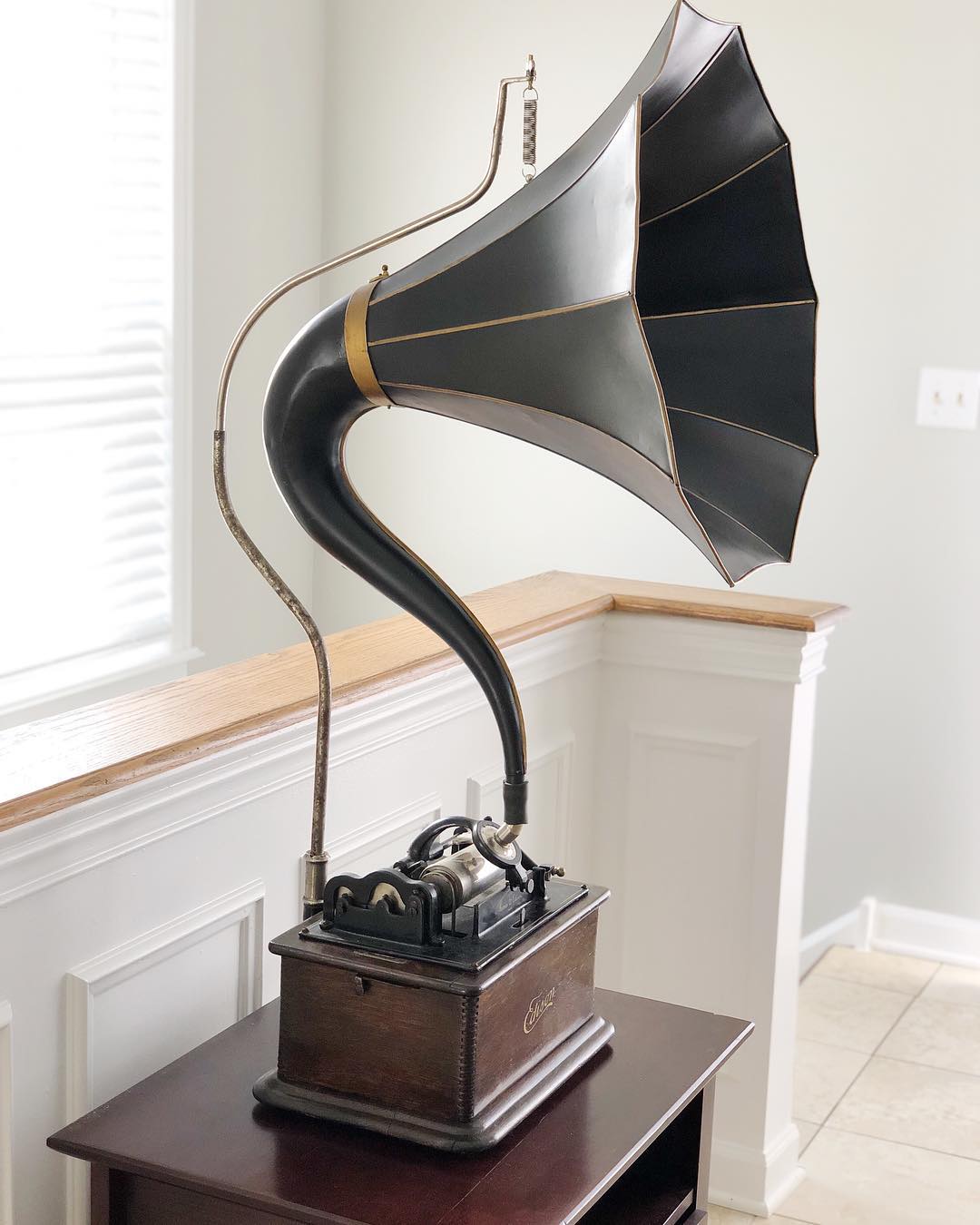
Draft answer — written by WIMAPS volunteers for general guidance and open to revision. Nothing here is an appraisal.
How do I know if my phonograph is valuable?
Value comes from a combination of factors: which maker and model it is, whether it is complete (horn, crane, reproducer, crank, lid), how original the finish and decals are, whether the motor runs properly, and what buyers are paying at the moment.
We do not publish prices and we do not appraise. What members can do is help you identify the machine accurately and describe its condition honestly — which is exactly what you need before consulting an appraiser or auction specialist.
Should I restore it or leave it original?
The general preference among collectors is conservative: keep the original finish, keep the decals, and limit work to what makes the machine run safely. Cleaning gently, servicing the motor, and replacing perished gaskets are widely accepted. Stripping, refinishing, and repainting horns generally reduce collector interest, even when the result looks tidier.
A useful rule: prefer repairs that a future owner could undo.
What are the most common mechanical problems?
Old lubricant that has turned to varnish is probably the most common cause of a machine that will not run or runs slowly. Beyond that: tired or broken mainsprings, governors that will not hold speed, reproducer gaskets that have gone hard, and rubber connecting tubing that has cracked.
Mainspring work in particular deserves respect. A wound spring stores real energy and can injure you if a barrel is opened carelessly. Ask before attempting it.
Where can I find parts and needles?
Three sources cover most needs. The first is other collectors — WIMAPS swap and sells are where horns, cranks, reproducers, and spare motors change hands. The second is searching online marketplaces like eBay. The third is the small group of specialist suppliers who make reproduction needles, gaskets, springs, belts, and hardware.
One practical note that surprises new owners: steel needles were designed to be changed after each record side. Reusing a worn needle wears the record, not the needle.
Who can help me decide?
Bring the machine, or bring photos, to a meeting. Talking it through with someone who has rebuilt the same model is worth more than any general article, including this one.
If you cannot make a meeting, contact us and we will point you to a member who knows that family of machines.
Still have a question? Contact WIMAPS and a member will help.